Cold and Flu Season: How Clinics Get Found When Patients Need Care Today

Cold and flu season is when a lot of people look for a doctor in a hurry. They are sick, they want to be seen today, and they are searching on a phone from the couch. They do not read much. They look for three things: are you open, can you see me today, and how do I book. The practice that answers those fastest usually gets the visit.
Here is how clinics, primary care practices and urgent care centers can be the easy choice this season.
What does this season look like?
CDC's 2026 to 2027 respiratory season outlook covers October through May and expects peak hospitalizations from COVID-19, flu and RSV combined to be similar to last season. It also notes that RSV usually peaks in late December or early January. In other words, the busiest weeks will land right on top of the holidays, when practice hours change and front desks are short staffed.
What does a sick patient search for?
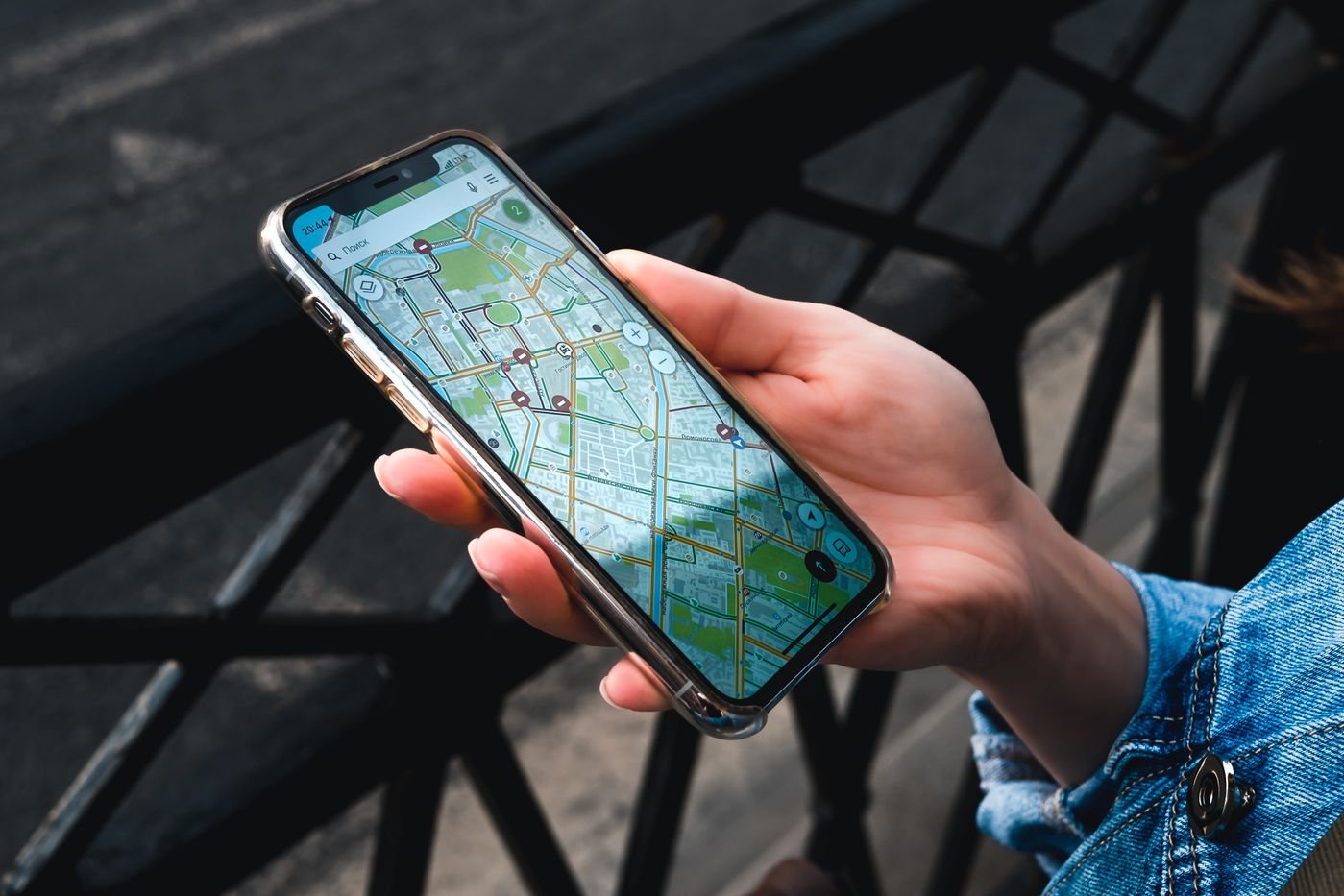
Short, urgent searches: "urgent care open now," "same day doctor appointment," "walk in clinic near me," "flu test near me," "pediatrician open Saturday." Many of these never reach a website. The patient looks at the map, taps the practice that shows as open with good reviews, and calls or books from the profile.
That makes your Google Business Profile the front door this season. Google says local results depend mainly on relevance, distance and prominence (Google). You cannot change distance, but you can make sure everything else is complete and correct.
What should we fix on Google first?
- Hours that are right every day. Set special hours now for Thanksgiving (November 26), Christmas Eve and Day, and New Year's Eve and Day. Nothing loses a sick patient faster than driving to a clinic Google said was open.
- A booking link that works on a phone. Google lets health providers add appointment and virtual care links. If you offer telehealth visits, add that link too. Test both on a phone.
- Services that match what people search. Add the health services you actually offer, such as flu shots, COVID testing or sick visits, so the profile matches the search.
- A current post. A short Google update that says what you offer this week and how to book. Change it when that changes.
- Replies to recent reviews. Keep them short and general. Never confirm that the reviewer is a patient or mention care details; HHS has fined practices for doing that.
What should the website say?
When a patient does click through, they want one page that answers the urgent questions. Build a simple "same day and sick visits" page:
- Can I be seen today? Say how same day visits work: walk in, book online, or call by a certain time.
- Where and when? Each location's hours, matching Google exactly, with holiday hours listed.
- What do you treat? A plain list of common sick visit reasons your clinicians are comfortable listing.
- When should I go somewhere else? Guidance on when to go to an emergency room, written and approved by your clinicians.
- Insurance and cost. A link to your insurance page and self pay information if you have it.
Link this page from your home page and from the Google profile. It also gives Google and AI tools a clear, readable page to match to these searches. Google says a page needs to be indexed and eligible for a snippet to appear as a supporting link in AI Overviews, with no extra technical requirements (Google).
What about the phones?
The busiest weeks will bring more calls than usual. If the phone rings out, the patient calls the next practice on the map. A few things help: a recorded message that points to online booking, a callback promise you can keep, and a clear line in the profile and website about the best time to call.
A one week plan
- Set holiday hours on Google for every location.
- Test the booking and telehealth links on a phone.
- Add or update health services on the profile.
- Publish a same day and sick visits page and link it everywhere.
- Post a short Google update about this week's availability.
- Have a clinician review any wording about symptoms or when to seek emergency care.
This is the work we do for practices at The SocialDM. You can see how it fits together on our medical practice marketing page. We do not write medical advice. Clinical wording comes from your team and is approved by a clinician before anything is published.
Questions we hear
When is respiratory virus season?
CDC's 2026 to 2027 outlook treats October through May as the season, and notes that RSV usually peaks in late December or early January. CDC expects a peak similar to last season and will update the outlook as data comes in.
Should we show wait times online?
Only if you can keep them accurate. A number that is wrong for half the day does more harm than none. A clear statement such as "same day visits most weekdays, call by noon" is easier to keep true.
Do Google posts about flu shots help us rank?
Google does not list posts as a ranking factor. Posts are still useful because people read them when they open your profile, so use them to say what is available and how to book.
Can our marketing tell people whether to go to urgent care or the ER?
That guidance should come from your clinicians, reviewed before it is published. Marketing can make it easy to find, but should not write it.
Want to know what a sick patient sees when they search for you tonight? Get your visibility plan and we will check your hours, booking links and map position across your area.