How Clients Choose a Med Spa Online: Search, Maps, Reviews, Instagram and AI

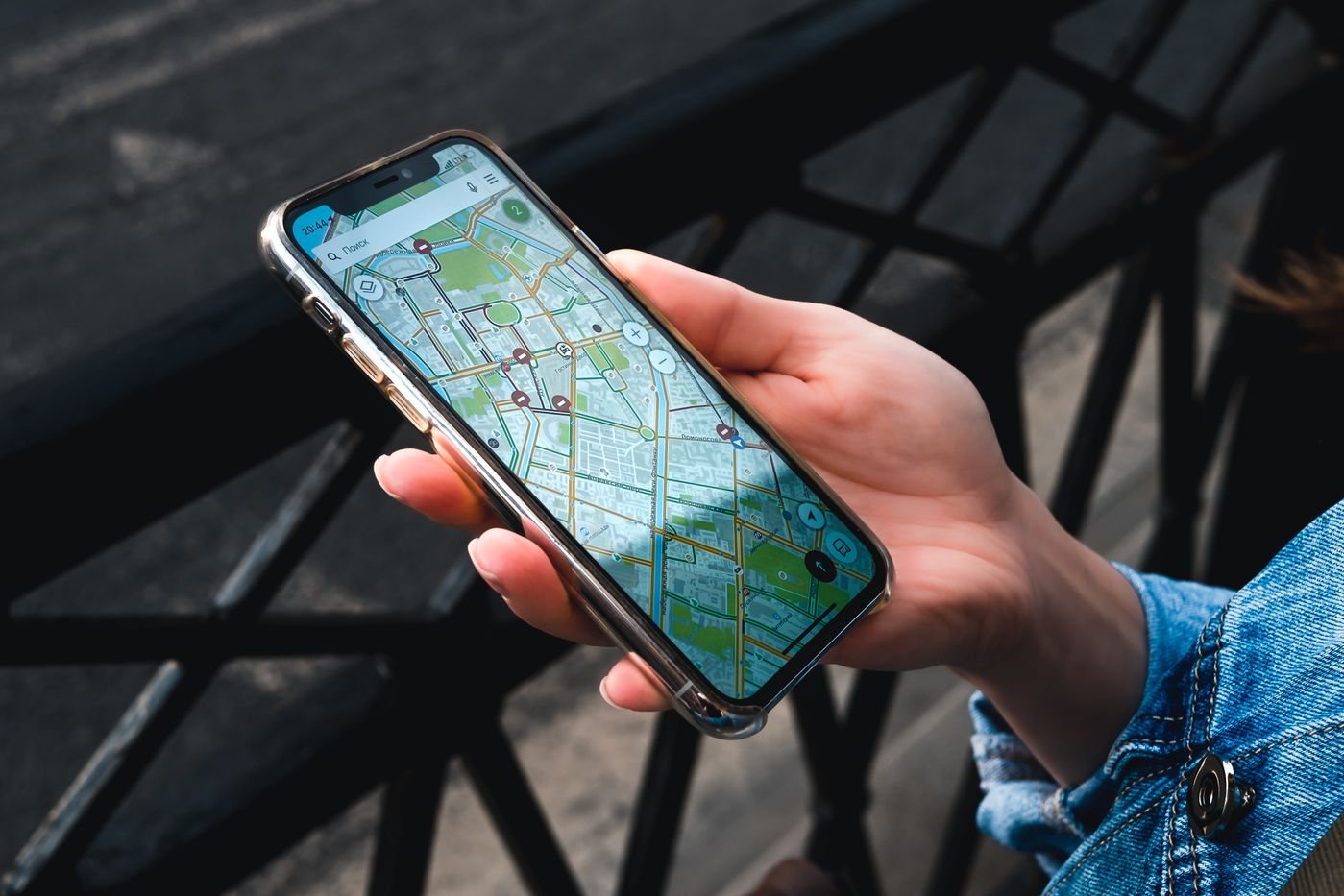
Most med spa clients now choose a practice in a few quick steps: they search Google or ask an AI tool for a treatment near them, compare the med spas on the map, read reviews, scroll your Instagram to see real work, and then check your website for pricing signals, providers and a way to book. If you are missing, inconsistent or vague at any of those steps, the client books somewhere else and you never know they looked.
Word of mouth still matters in aesthetics. But even a client sent by a friend will usually search your name, and what they find decides whether they book.
Where do med spa clients start looking?
Most start one of two ways. Some search a treatment plus a place, such as a type of injectable, a laser service or a facial plus their town, on Google Search or Google Maps. Others already have your name from a friend or from social media and search it to check you out before booking.
Those two clients need different things. The client who already knows your name wants reassurance: current hours, recent reviews, real photos and an easy booking link. The client searching by treatment does not know you exist yet, so you have to be visible for the services you actually want to grow. When we look at med spas, the gap is usually on that second side.
How does Google decide which med spas appear on the map?
Google says local results are based mainly on relevance, distance and prominence. Prominence is how well known you are, including how many reviews you have and how many websites link to you.
Google's page on how to improve local ranking also says complete and detailed business information helps it match you to the right searches, that more reviews and positive ratings can help, and that there is no way to pay for a better local ranking. You cannot move closer to every client, so the work goes into relevance and prominence: a complete, accurate profile, the right categories, a clear list of the treatments you offer, real photos, steady reviews and a website that backs it all up.
How much do reviews matter when clients choose a med spa?
A lot. Aesthetic treatments are personal, and clients want proof that people like them had a good experience. Google counts reviews toward prominence, and clients read them to judge how you treat people.
Where clients read reviews is also shifting. BrightLocal's 2026 Local Consumer Review Survey of 1,002 U.S. adults found Google is still the most used review platform, though its share fell from 83% to 71% of consumers.
Two rules matter here. Google's Maps content policy says businesses may not offer incentives for reviews, discourage negative reviews or ask only happy clients. The FTC's rule on fake reviews and testimonials bans fake reviews and incentives tied to a particular sentiment. Ask every client the same way, and keep replies general. Never confirm in a public reply that someone was a client or mention what treatment they had.
What role does Instagram play?
For many med spas, Instagram is the portfolio. Clients use it to see your results, your space and your team before they book. Pew Research Center's 2025 report found that 50% of U.S. adults use Instagram, including eight in ten adults ages 18 to 29, and that women are more likely to use it than men (55% vs. 44%).
Instagram helps clients decide, but it rarely answers practical questions. Your bio should link to booking, and your name and location should match your Google profile and website.
Before and after photos need care. Post them only with the client's written consent, and only images that show realistic results. If HIPAA applies to your practice, HHS says marketing uses of patient information generally require written authorization, and it settled with a physical therapy provider that posted patient testimonials with full names and full face photos without valid authorizations. The FTC's Health Products Compliance Guidance also warns that testimonials showing results more dramatic than people can generally expect are likely to be deceptive.
Are clients using AI tools to choose a med spa?
More are. The same BrightLocal survey found that 45% of consumers used ChatGPT or other AI tools for local business recommendations, up from 6% the year before. That covers local businesses in general, not med spas in particular, so treat it as a sign of habit, not a booking figure.
What matters is that AI answers draw on what they can read. Google says a page must be indexed and eligible to show with a snippet to appear as a supporting link in its AI features, so ordinary SEO basics still apply. Google says its Ask Maps feature works through reviews, photos, place details and the web. Other assistants may draw on your website, directories and review sites. If your treatment menu lives only in a PDF, your provider bios are thin, or two directories show different hours, an AI answer can repeat the wrong version. I would not promise any med spa a spot in AI answers. I would make sure the facts those tools find are correct and easy to read.
What do clients check on your website before they book?
They want to know whether you offer the treatment, who will do it, how pricing works and how to book. If that takes more than a few seconds, the map is one tap away.
| What the client wants to know | What the page should show |
|---|---|
| Do you offer the treatment I want? | A page for each main treatment in plain language, reviewed by your medical director, with no promised results |
| Who will treat me? | A page for each provider with credentials, training and the treatments they perform |
| What will it cost? | Pricing, starting prices or a clear explanation of how pricing is set at a consultation |
| Is it right for me? | What a consultation covers and who decides whether a treatment is appropriate |
| Where and when? | Address, parking notes and hours that match your Google profile exactly |
| How do I book? | One booking link that works on a phone, and a phone number for questions |
Treatment and provider pages do most of the work here, for clients and for search engines. A single "Services" page with a list of treatment names gives Google and AI tools very little to match against a specific search.
What should a med spa fix first?
Start with accuracy, then coverage. Make sure your Google profile, website, Instagram and major directories agree on your name, address, phone number, hours and providers, and then build out the treatment and provider pages clients need to choose you.
- Search like a client. From a phone, search your three most important treatments plus your town on Google, on Maps and in one AI tool, and note who shows up.
- Fix your Google Business Profile. Check categories, services, hours, booking link and photos.
- Line up your profiles. Your name, location and booking link should match on Google, Instagram and your website.
- Make reviews routine. Ask every client the same way, with no incentives, and reply in general terms.
- Publish the missing pages. One page per main treatment and one per provider, with booking easy to find.
This is the work we do for aesthetic practices at The SocialDM, and you can see how it fits together on our med spa marketing page. We do not write medical claims. Treatment descriptions come from your team and are approved by your medical director before anything is published.
Questions we hear
How do most clients find a med spa today?
Many search Google or Google Maps for a treatment plus their town, compare the med spas that appear, read reviews, look at Instagram and then check the website before booking. Clients who hear about you from a friend usually search your name first.
Do reviews affect where a med spa shows up on Google Maps?
Google says more reviews and positive ratings can help local ranking, as part of prominence. Reviews also matter because clients read them, and your replies, before choosing.
Are clients using ChatGPT or other AI tools to find a med spa?
Some are. BrightLocal's 2026 Local Consumer Review Survey found 45% of consumers used AI tools for local business recommendations, up from 6% the year before. That covers local businesses in general, not med spas specifically.
Can a med spa post before and after photos on Instagram and Google?
Only with the client's written consent, and only photos that show realistic results. If HIPAA applies to your practice, HHS says marketing uses of patient information generally need written authorization. Check with your own counsel on state rules.
Can a med spa pay Google for a better Maps ranking?
No. Google says there is no way to request or pay for a better local ranking. Ads are a separate product.
Want to see how your med spa looks to a client searching today? Get your visibility plan and we will show you where you appear on Google, on Maps and in AI answers, and where you do not.